

News
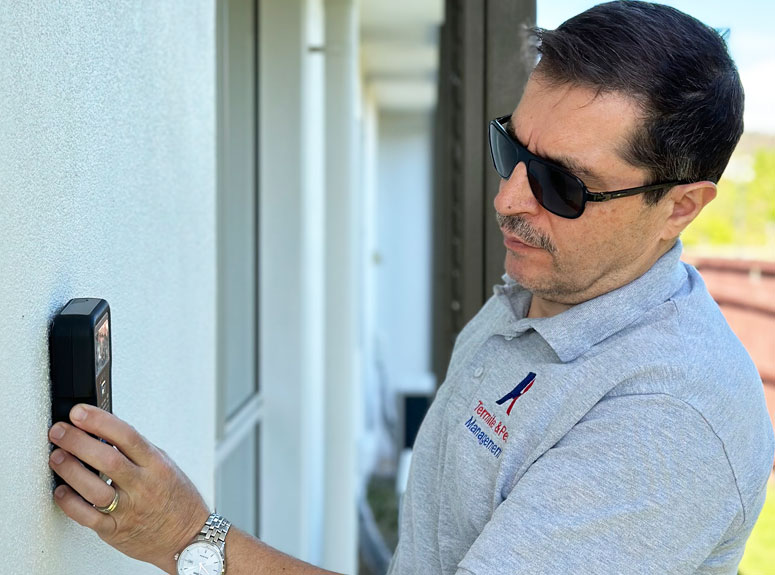
Identifying major and minor defects during a building inspection
If you are searching the real estate market for your next house, it is important you organise a building and pest inspection before going ahead with the purchase. A professional inspection will help identify any minor and major defects. More importantly, it will indicate what it will cost you to rectify them in the future.
What buildings have defects?
Contrary to popular belief, almost all houses have defects, even newly built dwellings. This does not mean however that all defects are serious and will need costly repairs right away. Often there are cosmetic imperfections that arise in homes that you can happily leave unattended for years.
It is the major structural defects you want to be aware of to ensure your new house purchase will be worth your while. In addition to helping you estimate the cost of future repairs, identifying building defects can help prevent otherwise unforeseen accidents.
What is a major defect in a building inspection?
Major defects to a building are defined as damage or inconsistencies to any major components or elements including foundations, footings, floors, beams and walls. Major defects are considered a hazard as they sometimes can cause the structure, or parts of the structure, to collapse and will need to be rectified to not worsen or cause further damage or accidents. Other major defects can include faulty water systems and cracks and damages in floors and slabs (superstructure).
What buildings have defects?
Contrary to popular belief, almost all houses have defects, even newly built dwellings. This does not mean however that all defects are serious and will need costly repairs right away. Often there are cosmetic imperfections that arise in homes that you can happily leave unattended for years.
It is the major structural defects you want to be aware of to ensure your new house purchase will be worth your while. In addition to helping you estimate the cost of future repairs, identifying building defects can help prevent otherwise unforeseen accidents.
What is a major defect in a building inspection?
Major defects to a building are defined as damage or inconsistencies to any major components or elements including foundations, footings, floors, beams and walls. Major defects are considered a hazard as they sometimes can cause the structure, or parts of the structure, to collapse and will need to be rectified to not worsen or cause further damage or accidents. Other major defects can include faulty water systems and cracks and damages in floors and slabs (superstructure).
Major Structural defects
Not all major defects are necessarily structural defects. Structural defects are faults in the architectural integrity of a building, most commonly affecting load-bearing walls, slabs and footings, and subfloor or roof frame components.
Structural defects also include:
Termite damage
Wall cracking
Water leaks and damage
Material deterioration
Crumbling concrete
Uneven floors and more
This category of defects can also be classified as ‘minor’ or ‘major’. A major structural defect is defined in standard real estate contracts as a defect of sufficient magnitude where rectification has to be carried out in order to avoid unsafe conditions, loss of utility or further deterioration of the property.
In property transactions, this classification is required by a building inspector during the pre-purchase inspection for the property to be negotiated on or cancelled.
Minor defects & Common problems
During a professional building and pest inspection, your inspector will identify all minor and major defects and may give you advice on how (and who) can rectify the issue. There are most likely a number of defects found which do not fall under the definition clause of a major defect. These are called minor or maintenance defects as they can be rectified with relatively small effort and money involved.
Common minor defects:
Wall dents
Blemishes
Cracks
Insufficient ventilation
Corrosion
General Deterioration
Unevenness in the finishes and materials
These are not necessarily urgent or very serious issues, but they will be included in the report so that you are aware of the building’s overall condition. These kinds of defects do not pose a safety risk and so will be listed to be part of the maintenance.
What does your report include?
A pre-purchase building and pest inspection report will provide you with an overview of the condition of a building you intend to buy. It’s important to note however that the report is not an all-encompassing account dealing with every aspect of the property, and it is not a warranty against further building defects.
A standard building inspection includes the detection of minor to significant structural damage to the property’s readily accessible areas. Such areas include:
Interior and exterior walls
Roof space
Roof exterior
Floor & subfloor space
Toilet
Laundry
Garage, carport & shed
Driveways
Stairs/steps, fencing and paths
Non-structural retaining walls
If you are concerned with things that are not covered in your inspection, ask for a special-purpose inspection.


